

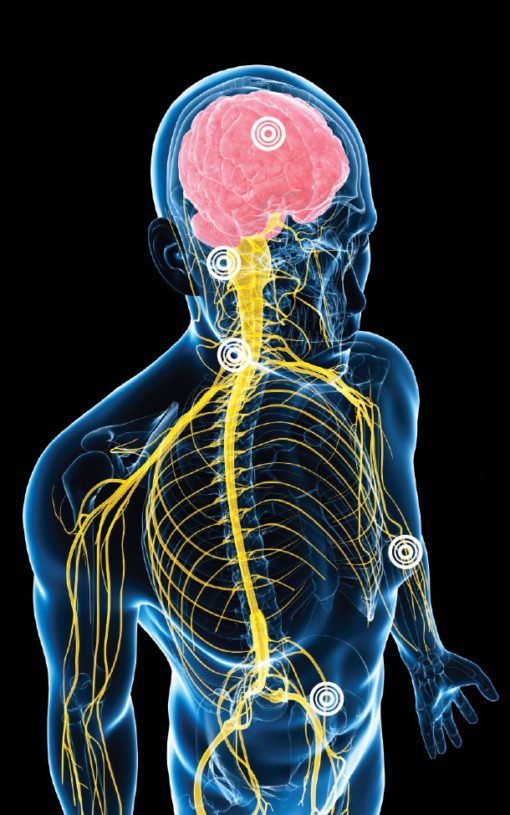
What is Neuropathy?
Neuropathy refers to a range of conditions resulting from damage to the peripheral nerves, which are responsible for transmitting signals between the central nervous system and the rest of the body. This damage can disrupt communication, leading to a variety of symptoms that may affect sensation, movement, and overall functioning. The peripheral nervous system plays a crucial role in coordinating sensory information, motor control, and autonomic functions. As such, the impact of neuropathy can be wide-ranging and significantly affect an individual’s quality of life.
The mechanisms underlying nerve damage can vary widely, but they generally involve injury to the nerve fibers that disrupt normal electrical signaling. Common causes of neuropathy include diabetes, traumatic injury, infections, metabolic imbalances, and exposure to toxins. In diabetic neuropathy, for instance, prolonged high blood sugar levels can lead to nerve damage over time, primarily affecting the legs and feet. This can result in sensory loss, pain, and other complications. Other forms of neuropathy might stem from autoimmune disorders, genetic conditions, or vitamin deficiencies, each having unique characteristics and manifestations.
Neuropathy can manifest in two primary ways: sensory and motor. Sensory neuropathy interferes with the body’s ability to feel sensations, leading to symptoms such as tingling, numbness, and pain, often described as burning or shooting. Motor neuropathy, on the other hand, affects muscle control, potentially resulting in weakness, muscle wasting, or coordination difficulties. Understanding these distinctions is essential for diagnosing and managing neuropathy effectively, as it sets the groundwork for exploring its various types and potential treatments in subsequent sections.
Types of Neuropathy
Neuropathy encompasses a diverse range of conditions, primarily affecting the peripheral nerves throughout the body. Understanding these different types is crucial for accurate diagnosis and effective treatment. The most common type is peripheral neuropathy, which primarily affects the nerves in the extremities, leading to symptoms such as numbness, tingling, and weakness in the hands and feet. This condition can result from various factors, including diabetes, infections, and exposure to toxins.
Another significant category is autonomic neuropathy, which impacts the nerves responsible for regulating involuntary bodily functions. This type can lead to problems with heart rate, gastrointestinal issues, and bladder control, presenting a unique set of challenges. Patients may experience symptoms such as dizziness upon standing, digestive troubles, and abnormal sweating, highlighting the complex interplay between nerve damage and body functions.
Proximal neuropathy, also referred to as diabetic amyotrophy, typically manifests as severe pain in the thighs, hips, or buttocks, and is often seen in individuals with diabetes. This condition may impair mobility and strength, leading to limitations in daily activities. The symptoms of proximal neuropathy can be debilitating, affecting both physical and mental well-being.
Lastly, focal neuropathy is characterized by sudden and specific nerve damage, which can lead to varied symptoms depending on the affected area. This type may cause issues such as double vision, facial pain, or weakness in one limb, presenting significant challenges in both diagnosis and management. Focal neuropathy, while often less common than the other types, underscores the diverse manifestations of neuropathic conditions.
Through this categorization, individuals can better identify potential symptoms and seek appropriate medical attention. The extensive nature of neuropathy reveals the importance of understanding each type to enhance patient care and recovery strategies.
Causes of Neuropathy
Neuropathy, characterized by nerve damage, arises from a multitude of factors that vary in their onset and severity. One of the primary causes is diabetes, which can lead to diabetic neuropathy. High blood sugar levels over time can damage the blood vessels that supply nutrients to nerves, particularly in the extremities. This is crucial, as untreated diabetes can result in persistent pain, loss of sensation, or even limb loss due to unperceived injuries.
Another significant contributor to neuropathy includes traumatic injuries. Accidents or sports-related incidents can result in compression, stretching, or tearing of nerves, subsequently leading to neuropathic symptoms. Such injuries can trigger immediate pain or delayed onset symptoms, depending on the extent of nerve damage.
Infectious diseases can also induce neuropathic conditions. Viruses such as herpes simplex, varicella-zoster, and HIV have been associated with nerve inflammation and subsequent neuropathy. Additionally, metabolic issues such as hypothyroidism or vitamin deficiencies, particularly B vitamins, can lead to neuropathy due to insufficient nerve function maintenance.
Inherited disorders, such as Charcot-Marie-Tooth disease, exemplify how genetic factors can predispose individuals to neuropathy. These conditions often involve mutations that affect nerve structure or function, leading to progressive nerve deterioration over time.
Furthermore, exposure to toxins, including heavy metals like lead or mercury, and certain medications such as chemotherapy agents, is a pivotal cause of neuropathy. Such substances can compromise nerve integrity, contributing to the onset of symptoms. By examining these varied causes—diabetes, trauma, infections, metabolic disorders, genetic factors, and toxins—it becomes evident how each plays a role in nerve damage and the resultant neuropathic conditions.
Symptoms of Neuropathy
Neuropathy encompasses a wide range of symptoms that vary considerably among individuals. One common manifestation is tingling or “pins and needles” sensations, which can occur in the hands, feet, or affected areas. This sensation often serves as a preliminary indication of peripheral nerve damage. People may also report feelings of numbness in the extremities, further complicating the daily activities and overall quality of life for those afflicted.
Burning sensations are another frequent symptom, often described as a painful warmth radiating from the underlying nerve issues. This burning feeling can be persistent and particularly distressing, prompting individuals to seek relief through various means. In addition to these sensations, sharp, stabbing pains are not uncommon. These pain episodes can be sporadic and can vary in intensity, frequently interfering with sleep and daily functioning.
Individuals suffering from neuropathy may also notice muscle weakness, which can interfere with physical activities and hinder basic tasks like walking or holding objects. Weakness may occur in specific regions depending on which nerves are affected. Furthermore, coordination problems often arise, leading to difficulties in maintaining balance or performing intricate movements. This lack of coordination can increase the risk of falls and accidents, creating an additional layer of concern for those with neuropathy.
The impact of neuropathy reaches beyond the physical sensations, as it can lead to emotional and psychological challenges, including anxiety and depression. It is crucial for individuals experiencing these symptoms to seek medical advice for proper diagnosis and management. Understanding these symptoms is essential in recognizing the potential implications of neuropathy and taking proactive steps towards treatment and support.
Complications Associated with Neuropathy
Neuropathy, a condition characterized by damage to the peripheral nerves, can lead to various complications that, if left untreated, may significantly impact an individual’s quality of life. One of the most common complications is the development of foot ulcers. Patients with neuropathy often experience a loss of sensation in their extremities, particularly in the feet. This insensitivity can result in unnoticed injuries or pressure points that can quickly evolve into chronic wounds. If not properly managed, these foot ulcers can become infected, potentially leading to serious health concerns.
Infections are particularly problematic for individuals with neuropathy due to the impaired healing response often associated with the condition. The inability to feel pain means that small cuts or blisters may not receive the prompt attention they require. Furthermore, poor blood circulation, frequently accompanying neuropathy, can exacerbate this issue, delaying the body’s natural healing processes. As infections progress, they can create a cycle that severely affects overall health.
Another dire consequence of untreated neuropathy is the risk of limb amputations. In severe cases, persistent infections and the resultant tissue damage can lead to necrosis, making amputation the only viable option to prevent further complications. The psychological impact of such a significant loss can be profound, adding emotional distress to the physical suffering already endured. Hence, awareness of the potential complications associated with neuropathy highlights the necessity of early detection and effective management.
Timely intervention can help mitigate these severe outcomes, underscoring the importance of regular medical check-ups and adherence to treatment plans. Overall, understanding the risks associated with neuropathy not only emphasizes the need for prompt care but also encourages proactive measures for those at risk.
Management and Treatment of Neuropathy
Neuropathy, a condition characterized by damage to the peripheral nerves, often results in pain, numbness, and weakness. Effective management and treatment of neuropathy typically involve a multifaceted approach. A primary objective in addressing this condition is identifying and managing underlying medical conditions, which may include diabetes, vitamin deficiencies, or autoimmune disorders. By controlling these contributing factors, patients may experience a significant alleviation of neuropathic symptoms.
Medications play a crucial role in providing relief from neuropathic pain. Commonly prescribed treatments include anticonvulsants, antidepressants, and topical agents. Gabapentin and pregabalin are frequently utilized for their effectiveness in dampening nerve pain. Additionally, tricyclic antidepressants like amitriptyline can also be beneficial due to their dual action on pain relief and mood enhancement. Topical treatments, such as lidocaine patches, offer localized relief and have minimal systemic side effects.
Physical therapy is another critical component of a comprehensive treatment plan. Through tailored exercises and rehabilitation techniques, physical therapists can assist individuals in improving strength, flexibility, and mobility, which may be significantly impacted by neuropathy. A program guided by a specialist may include balance training, stretching exercises, and strategies to manage daily activities effectively.
Lifestyle modifications can further enhance the management of neuropathy symptoms. Patients are generally recommended to adopt a balanced diet rich in vitamins and minerals known to support nerve health, such as B vitamins, and to engage in regular physical activity. Managing stress through relaxation techniques and ensuring adequate sleep can also contribute positively to symptom relief.
Ultimately, a comprehensive treatment plan tailored to individual needs is essential for the effective management of neuropathy. By combining various treatments and lifestyle changes, many patients can achieve improved quality of life and symptom reduction.
The Importance of Early Detection
Early detection of neuropathy is crucial for effective management and prevention of further complications. Neuropathy, a condition characterized by nerve damage, can significantly impact an individual’s quality of life. It often presents with symptoms such as numbness, tingling, and pain, which may begin subtly and progressively worsen if not promptly addressed. Recognizing these early signs is essential, as timely intervention can impede the progression of the condition, thereby preserving nerve function and minimizing discomfort.
To facilitate early diagnosis, individuals are encouraged to monitor their symptoms diligently and maintain open communication with healthcare professionals. Regular check-ups are advisable for those at heightened risk for neuropathy, including individuals with diabetes, autoimmune disorders, or a family history of nerve damage. During these check-ups, patients should discuss any changes in sensation or mobility, as early assessments may lead to timely diagnostic tests, such as nerve conduction studies or electromyography.
Furthermore, understanding the underlying causes of neuropathy can help in recognizing initial symptoms. For instance, diabetic neuropathy results from prolonged high blood sugar levels damaging the nerve fibers, while peripheral neuropathy could stem from chronic alcohol exposure or vitamin deficiencies. In these cases, being aware of the triggers can prompt quicker action and lifestyle modifications.
The proactive approach of seeking medical advice upon experiencing symptoms can not only halt or reverse nerve damage but also lead to more effective treatment options. Engaging in discussions with healthcare providers about symptom management and potential interventions—such as medication, physical therapy, or lifestyle changes—is critical. Timely detection can yield the best outcomes for those affected by neuropathy, helping them maintain their overall well-being and prevent further deterioration.
Living with Neuropathy
Living with neuropathy presents unique challenges that can significantly impact one’s daily life. This condition, characterized by nerve damage, can lead to a variety of symptoms, including pain, numbness, and tingling sensations, particularly in the extremities. For individuals coping with these sensations, establishing effective management strategies is essential to enhance their overall quality of life.
One of the most effective ways to manage neuropathy is through lifestyle adjustments. Regular physical activity is vital, as it can improve blood flow, reduce discomfort, and strengthen muscles. Gentle exercises such as yoga or swimming are particularly beneficial, helping to decrease pain while promoting flexibility and balance. Furthermore, maintaining a healthy diet—rich in vitamins and minerals—can support nerve health. Incorporating foods high in omega-3 fatty acids, antioxidants, and B vitamins may also provide relief from symptoms.
In addition to physical approaches, emotional well-being plays a crucial role in managing neuropathy. Joining support groups can be an invaluable resource, as they connect individuals facing similar challenges. Sharing experiences and coping strategies can foster a sense of community and diminish feelings of isolation. Moreover, engaging with mental health professionals may provide additional tools and techniques to address anxiety or depression that can arise from chronic pain conditions.
Adopting coping mechanisms such as mindfulness meditation, deep breathing exercises, or relaxation techniques can further support individuals in dealing with the emotional turmoil associated with neuropathy. These practices can help promote a more positive outlook, as well as reduce stress, which may aggravate symptoms. By combining lifestyle modifications with supportive relationships, individuals living with neuropathy can enhance their daily experiences and find a greater sense of balance and well-being.
Resources and Support for Neuropathy Patients
Individuals affected by neuropathy often seek resources and support to navigate their condition better. Numerous organizations and networks can provide valuable assistance and information. One vital resource is the Neuropathy Association, which aims to educate patients about their condition while supporting ongoing research. The association offers literature, webinars, and a community forum where patients can share their experiences and find solace in connecting with others facing similar challenges.
Support groups specifically for neuropathy patients can be immensely beneficial. Local chapters of organizations such as the Foundation for Peripheral Neuropathy offer group meetings, online forums, and tailored resources where participants can discuss their symptoms, coping strategies, and treatment options in a supportive environment. These gatherings foster connections, allowing members to form a community that alleviates feelings of isolation often associated with chronic conditions.
Online educational websites dedicated to neuropathy also serve as an indispensable resource for those seeking more information. The Mayo Clinic and the National Institute of Neurological Disorders and Stroke provide comprehensive guides on neuropathy, outlining its causes, symptoms, treatments, and the latest research findings. Accessing such credible and up-to-date information empowers patients to make informed decisions about their health care.
Additionally, professional organizations focused on neurological health, like the American Academy of Neurology, offer resources that include clinical guidelines, research publications, and referral services to neurologists specializing in neuropathy. This can assist patients in finding professional assistance tailored to their specific needs.
Overall, these resources and support systems play a significant role in enhancing the quality of life for neuropathy patients, providing both knowledge and emotional support in their journey.


Pingback: Joe’s Journey: Battling Type 2 Diabetes and the Struggles of Living with Black Mold