

Introduction to Joe’s Health Struggles
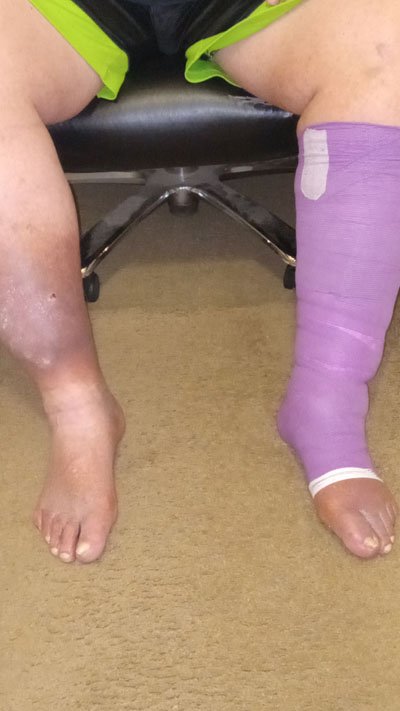
Joe is an individual who has been grappling with the challenges of type 2 diabetes for more than four years. His journey is marked by significant health concerns that have profoundly affected his quality of life. Living with diabetes is no small feat, as those who have experienced it understand the daily battles that come with managing blood sugar levels, diet, and overall health. For Joe, this condition has manifested in severe infections in his legs and feet, which complicate his situation considerably.
The complications arising from diabetes are numerous, but for Joe, the infections he has endured have been the most debilitating. These infections have not only led to physical pain but have also curtailed his mobility, making it difficult for him to undertake everyday activities. The impact on his work life is substantial; the inability to maintain a consistent schedule or to perform job duties as required has placed additional stress on both his personal and professional life. Such hurdles are emblematic of the broader health crises faced by many who live with chronic conditions.
Joe’s situation is underscored by the intersection of his diabetes with environmental factors, such as the presence of black mold in his living space. While one might typically associate diabetes solely with metabolic issues, Joe’s experience serves as a reminder that chronic illnesses often do not exist in isolation. The presence of black mold can exacerbate underlying health conditions, potentially leading to further complications for individuals like Joe. As we explore the different facets of his health struggles, it becomes increasingly clear that Joe’s journey is a testament to the intricate link between chronic illness and environmental influences.
Understanding Type 2 Diabetes
Type 2 diabetes is a chronic condition characterized by the body’s inability to effectively use insulin, leading to elevated blood sugar levels. This form of diabetes is often associated with a variety of risk factors, including obesity, lack of physical activity, family history, and unhealthy eating patterns. It is crucial to understand the causes and symptoms of this condition to manage it effectively. Common symptoms include increased thirst, frequent urination, fatigue, and blurred vision. Many individuals may experience these symptoms without realizing their significance, leading to delayed diagnosis.
The pathophysiology of type 2 diabetes involves insulin resistance, where the body’s cells become less responsive to the hormone insulin. As a consequence, the pancreas compensates by producing more insulin, but over time, this can lead to pancreatic exhaustion and an eventual decrease in insulin production. Joe’s journey exemplifies the complexities of managing type 2 diabetes, where lifestyle choices play a vital role in overall health. The impact of dietary habits and physical activity is significant; a balanced diet rich in whole grains, fruits, and vegetables, alongside regular exercise, can enhance insulin sensitivity and aid in blood glucose control.
Managing weight is another critical component for individuals living with type 2 diabetes. Studies have shown that even modest weight loss can lead to improved blood sugar levels and a lower risk of complications. Joe’s experience highlights the importance of setting realistic goals and making sustainable changes to foster a healthier lifestyle. The challenges faced in making these changes can be compounded by external factors, such as the presence of black mold, which can affect overall well-being. By incorporating healthier habits and remaining proactive about their condition, individuals can navigate the demands of type 2 diabetes, promoting better health outcomes in the long run.
Joe’s Battle with Mobility Issues
The consequences of Joe’s type 2 diabetes extend well beyond routine blood sugar monitoring and medication adherence; the condition has manifested in significant mobility challenges that profoundly affect his daily life. Chronic diabetes-related infections, particularly in his lower extremities, have resulted in reduced strength and limited range of motion. Consequently, Joe often experiences difficulty with basic movements, such as walking or climbing stairs, which significantly hinders his independence.
Issues like peripheral neuropathy, a common complication of diabetes, exacerbate Joe’s mobility struggles. This condition involves nerve damage that can lead to pain, tingling, and loss of sensation in the feet and legs. As a result, Joe often feels unstable when standing or walking, relying on mobility aids like a cane or walker for support. These aids help to mitigate the risk of falls, but they come with their own set of emotional challenges, as Joe grapples with feeling less capable and more reliant on others.
The psychological impact of these mobility issues cannot be understated. Joe’s loss of independence leads to feelings of frustration and isolation, notably as he struggles to engage fully in social activities. This decreased participation in community and familial engagements contributes to a decline in emotional well-being. Moreover, the cyclical nature of chronic illness, where physical limitations lead to emotional distress, further complicates his journey. These physical disabilities can create barriers to accessing healthcare services, complicating Joe’s efforts to manage his diabetes effectively and impacting his overall health management.
In addressing mobility issues associated with type 2 diabetes, it is critical to acknowledge not only the physical limitations but also the emotional toll they exert on individuals like Joe. Enhancing mobility through rehabilitation, physical therapy, and adaptive technologies can serve to restore a degree of independence and improve quality of life, demonstrating the essential integration of physical health and emotional well-being in the management of chronic conditions.
The Journey of Sobriety
Joe’s journey towards sobriety began just over four years ago, influenced significantly by his diagnosis of type 2 diabetes. This chronic illness served as a critical turning point in his life, prompting him to reevaluate not only his drinking habits but also his overall lifestyle choices. Sobriety emerged as a necessary foundation for managing his diabetes effectively, highlighting the interconnectedness of physical health and substance use.
In the early stages of his sobriety, Joe faced numerous challenges. The urge to drink often felt overwhelming, particularly in social settings or during moments of stress. However, he recognized that alcohol would exacerbate his diabetes symptoms, leading to erratic blood sugar levels and further complicating his health management strategy. Each temptation tested his resolve, yet Joe utilized various coping mechanisms—including support groups and counseling—to navigate these difficult moments. He employed mindfulness techniques as a means to reduce anxiety associated with social pressures, ultimately strengthening his commitment to remain sober.
As time passed, Joe began to experience significant improvements in his health. His blood sugar levels stabilized, providing him with a newfound sense of energy and clarity. The reduction of alcohol intake not only allowed Joe to better manage his diabetes but also improved his mental health. The triumphs of his sobriety journey began to foster a deeper understanding of self-care and the importance of making informed health choices. This holistic approach to health management proved to be instrumental in Joe’s recovery and maintaining balance in his life.
With nearly four years of sobriety behind him, Joe now embraces a life marked by resilience and determination. He recognizes that the commitment to sobriety is not merely a personal victory; it plays a pivotal role in his overall health journey, especially as he continues to navigate the complexities of living with diabetes. Joe’s experience serves as an inspiring reminder that overcoming addiction can lead to significant improvements in physical well-being, illustrating the importance of a sober lifestyle in managing chronic health issues.
The Role of Environment in Health
Environmental factors play a crucial role in determining an individual’s overall health and well-being. The presence of environmental stressors can significantly impact those with pre-existing medical conditions, like type 2 diabetes. In Joe’s case, his living conditions have profoundly affected his health, particularly due to the black mold issue present in his apartment. Black mold is a common indoor pollutant that can exacerbate existing health problems. For individuals suffering from type 2 diabetes, the body’s ability to manage inflammation and defend against infections is already compromised. Thus, exposure to mold can increase the likelihood of respiratory issues, allergic reactions, and further health deterioration.
Moreover, a healthy living environment encompasses not just clean air and safe structural integrity but also mental well-being. In Joe’s situation, the stress and anxiety linked to dealing with mold could lead to poor management of his diabetes. Stress hormones can elevate blood sugar levels, making it increasingly difficult for individuals with diabetes to control their condition. Additionally, living in an unhealthy space can contribute to a decreased quality of life, further complicating health outcomes.
The mold problem in Joe’s apartment illustrates how intertwined our living conditions are with our physical health. Mold releases spores that can enter the respiratory system, potentially leading to infections and aggravating asthma or other pulmonary conditions. For a person managing type 2 diabetes, these additional health issues can become arduous challenges, hindering effective self-management of their disease. Encouraging awareness about the health risks posed by environmental factors, particularly for vulnerable populations like those with chronic illnesses, is essential. Ensuring a clean and healthy living space can thus play a pivotal role in promoting better health outcomes and supporting overall well-being.
The Black Mold Crisis
Joe’s apartment has become a significant concern due to a severe black mold issue that originated from a persistent water leak. This leak was not effectively managed, leading to moisture accumulation and the subsequent growth of mold in various areas of his home. Mold thrives in damp environments, and the lack of timely intervention by the property owners allowed the situation to spiral out of control. As a result, Joe now faces an environment that poses serious health risks, particularly given his existing battle with Type 2 diabetes.
Exposure to black mold can lead to a variety of health complications, which are especially problematic for individuals with pre-existing conditions such as diabetes. Symptoms can range from respiratory issues to skin irritation, and for someone like Joe, who already struggles with managing his blood sugar levels, the presence of mold can complicate his health further. The constant irritation and potential allergic reactions triggered by mold exposure can stress his body, making it more difficult to maintain stable glucose levels. This dual challenge underscores the importance of addressing environmental factors in managing chronic health conditions.
Moreover, the health implications associated with mold exposure are not solely restricted to physical ailments. The psychological toll of living in a mold-infested environment can also affect Joe’s overall well-being. Feelings of helplessness and anxiety related to his living conditions may exacerbate his diabetes-related stress. Therefore, the unresolved mold crisis not only threatens Joe’s physical health but also negatively impacts his mental resilience, making it imperative for property owners to prioritize effective remediation. Without proper action, Joe’s struggles with both diabetes and the mold crisis are likely to persist, highlighting the critical need for comprehensive management of his living situation.
The Impact of Tenant Neglect
Tenant neglect is a pervasive issue, particularly in situations where property ownership changes hands. In the case of Joe, the sale of his apartment complex marked a significant decline in the attention and care that tenants received. Once his complex was sold, management shifted its focus from maintaining the property and ensuring tenant wellbeing to profit maximization. As a result, the crucial needs and concerns of tenants like Joe often went unheard, ushering in a myriad of health risks, particularly the looming threat of black mold.
The responsibility of property management extends beyond simple upkeep; it encompasses a duty to ensure a safe and healthy living environment. This obligation is enshrined in municipal and federal housing regulations that exist to protect vulnerable residents. However, when property management fails to address tenant complaints promptly and adequately, as was the case following Joe’s complex sale, the repercussions can be dire. Tenants may experience diminished quality of life and increased health risks, leading to anxiety and other psychological stresses caused by living in neglectful conditions.
Health Consequences of Mold Exposure
Exposure to black mold, particularly the species Stachybotrys chartarum, has been associated with a variety of health consequences, especially concerning the immune system. Scientific research highlights that inhaling mold spores can trigger allergic reactions in sensitive individuals, leading to symptoms such as sneezing, coughing, and skin irritations. More alarmingly, prolonged exposure may exacerbate existing health conditions, including respiratory diseases and autoimmune disorders.
One of the notable impacts of black mold exposure is its potential to compromise the immune system. Individuals, particularly those with pre-existing conditions like diabetes or asthma, may find their immune response weakened. This susceptibility can lead not only to frequent infections but also to difficulty in managing chronic diseases. For instance, the increased inflammation caused by mold exposure may alter blood sugar levels in those battling type 2 diabetes, complicating management efforts and potentially worsening the disease’s progression.
Moreover, mold exposure has been linked to neurological symptoms, such as difficulty concentrating and memory problems, which can further affect an individual’s quality of life. These cognitive issues can create additional challenges for those like Joe, who is already navigating the complexities of managing type 2 diabetes. The interaction between mold-related health problems and chronic conditions like diabetes can create a cycle of declining health, emphasizing the importance of addressing mold presence in living environments.
In light of these health implications, it is crucial for individuals suffering from conditions exacerbated by mold exposure to seek remediation solutions. Reducing mold levels may not only enhance their living conditions but could also lead to significant improvements in their overall health and well-being. It is imperative for health professionals to consider the role of environmental factors, such as black mold, in managing chronic health issues effectively.
The Path to Relocation
As Joe navigates the ongoing challenges presented by both Type 2 diabetes and the complications caused by black mold, his urgent need to relocate to a mold-free environment becomes increasingly apparent. Living in a space compromised by black mold exacerbates his health issues, creating a cycle of discomfort and worsening medical conditions. The presence of mold not only impacts Joe’s physical health but also adds to the psychological strain of managing a chronic illness.
However, the path to relocation is fraught with obstacles. One of the primary barriers Joe faces is securing adequate funding to facilitate this necessary move. Financial constraints limit his options; without assistance, the dream of finding a safe, healthy living environment remains out of reach. Joe’s reliance on a fixed income, combined with the financial burden of medical expenses, complicates his ability to invest in a new home. In this situation, the need for effective solutions becomes critical, emphasizing the importance of community support.
To address these challenges, Joe is actively seeking help from local organizations that specialize in housing support as well as health advocacy groups that focus on mold remediation and safe living spaces. These organizations play a pivotal role in providing resources that can assist individuals like Joe, who are fighting not only health battles but also the struggle to secure stable housing. By raising awareness about his situation, Joe hopes to rally community support aimed at gathering necessary funds for his relocation. Mobilizing community resources will be instrumental in ensuring Joe can access long-term health improvements and regain stability in his life.