

What is Type 2 Diabetes?
Type 2 diabetes is a chronic metabolic disorder characterized by insulin resistance, which leads to elevated blood glucose levels. Unlike Type 1 diabetes, where the body fails to produce insulin, individuals with Type 2 diabetes typically produce insulin but are unable to effectively use it. This condition can lead to long-term complications, affecting various organs and systems, including the heart, kidneys, eyes, and nerves. The growing prevalence of Type 2 diabetes presents significant concerns for public health, making it essential for both individuals and healthcare providers to understand this condition’s implications.
Globally, Type 2 diabetes has reached epidemic levels, with millions diagnosed each year. It is often associated with factors such as obesity, physical inactivity, and unhealthy dietary habits. According to the World Health Organization, the incidence of Type 2 diabetes has significantly increased over the past few decades, reflecting lifestyle changes and an aging population. The complexity and chronic nature of the disease necessitate a thorough understanding of its causes and risk factors, which include genetic predisposition and environmental influences.
Moreover, Type 2 diabetes can remain asymptomatic for long periods, resulting in late diagnosis and a higher likelihood of severe health complications. Recognizing the early warning signs, such as frequent urination, excessive thirst, and unexplained fatigue, is crucial in managing the disease effectively. As awareness of Type 2 diabetes continues to grow, so does the need for effective management strategies. This includes lifestyle modifications, such as diet and exercise, along with medical interventions when necessary. Understanding Type 2 diabetes is paramount, as it enables individuals to take proactive measures in their health management and promotes the development of public health initiatives aimed at prevention and education.
Causes of Type 2 Diabetes
Type 2 diabetes is a complex metabolic disorder that arises from a combination of genetic, environmental, and lifestyle factors. At the core of this condition lies insulin resistance, a physiological state where the body’s cells become less responsive to insulin. Insulin is a hormone produced by the pancreas, responsible for regulating blood glucose levels by facilitating the entry of glucose into the cells. When cells resist insulin, glucose accumulates in the bloodstream, leading to elevated blood sugar levels.
Insulin resistance typically develops gradually, and its onset can be attributed to several biological mechanisms. One primary factor is an increase in fatty tissue, particularly visceral fat, which affects how cells interact with insulin. Excess fat cells release inflammatory substances that interfere with insulin signaling pathways. Moreover, chronic inflammation has been linked to insulin resistance, indicating that a body’s response to prolonged stress may contribute to the progression of type 2 diabetes.
The pancreas plays a critical role in this disorder as it compensates for insulin resistance by producing more insulin. Initially, this compensatory mechanism is effective in maintaining normal blood sugar levels. However, over time, the pancreas can become exhausted and unable to produce sufficient insulin to meet the body’s demands, resulting in hyperglycemia. Genetic predispositions also influence the likelihood of developing type 2 diabetes. Individuals with a family history of diabetes are at a higher risk due to inherited traits that affect insulin sensitivity and pancreatic function.
In conclusion, understanding the biological mechanisms behind type 2 diabetes is essential for recognizing its causes. Insulin resistance, the role of the pancreas, and genetic influences collectively contribute to the onset and progression of this common metabolic disorder. By addressing these factors, individuals can adopt preventive measures to reduce their risk of developing type 2 diabetes.
Key Risk Factors
Type 2 diabetes is influenced by a complex interplay of various risk factors, with some being modifiable and others genetic in nature. Notably, obesity stands out as a significant risk factor. Research highlights that individuals with a body mass index (BMI) of 30 or higher are at a considerably increased risk for developing type 2 diabetes. In fact, the CDC reports that approximately 90% of individuals diagnosed with type 2 diabetes are overweight or obese. This relationship between excessive body weight and diabetes is attributed to the body’s impaired ability to use insulin effectively, leading to higher blood glucose levels.
Lack of physical activity is another major contributor to the risk of developing type 2 diabetes. According to the American Diabetes Association, individuals who engage in less than 150 minutes of moderate exercise per week face a higher likelihood of developing this condition. Regular physical activity is instrumental in controlling weight, improving insulin sensitivity, and lowering blood sugar levels. Thus, an active lifestyle is essential in managing these risk factors.
Genetic predisposition also plays a critical role in the development of type 2 diabetes. Family history significantly impacts an individual’s risk; if a person has a parent or sibling with the disease, their risk increases considerably. Studies have indicated that having a first-degree relative with type 2 diabetes can nearly double one’s chances of developing the disease.
Lastly, poor dietary habits significantly contribute to the risk factors associated with type 2 diabetes. Diets high in processed foods, added sugars, and unhealthy fats can lead to obesity and insulin resistance over time. Consuming nutrient-dense foods and maintaining balanced meal patterns can play a pivotal role in reducing the risk of type 2 diabetes. Overall, understanding these key risk factors is vital in implementing strategies to mitigate their effects and promote a healthier lifestyle.
Common Symptoms of Type 2 Diabetes
Type 2 diabetes manifests through a variety of symptoms that can vary in intensity among individuals. Recognizing these symptoms is essential for early diagnosis and management, ultimately aiding in the prevention of complications associated with the condition. One of the most prevalent signs is increased thirst, medically known as polydipsia. This occurs as the body attempts to compensate for the dehydration caused by excessive urination, a symptom known as polyuria. Frequent urination occurs as excess glucose in the bloodstream prompts the kidneys to filter and excrete this excess sugar, leading to increased urine output.
Another common symptom is an increased hunger, or polyphagia, which may arise from the body’s inability to effectively utilize glucose for energy. This deficiency in energy can lead to feelings of fatigue, which is another key symptom of type 2 diabetes. Individuals may experience persistent tiredness even after obtaining adequate sleep, as the body struggles to maintain its energy levels due to disrupted glucose metabolism.
Additionally, blurred vision is a symptom that should not be overlooked. Fluctuations in blood sugar levels can affect the lenses of the eyes, leading to temporary changes in vision clarity. If left unaddressed, these symptoms can progress and lead to severe health complications.
It’s crucial for individuals experiencing any combination of these symptoms to consult a healthcare provider for further evaluation. Early identification and intervention are vital for managing type 2 diabetes effectively and mitigating the risks associated with prolonged high blood sugar levels. Through awareness and action, individuals can play an active role in their health management and potentially improve their quality of life.
Complications of Untreated Type 2 Diabetes
Type 2 diabetes, when not managed effectively, can lead to a myriad of severe complications that significantly affect an individual’s health and quality of life. One of the most critical complications is cardiovascular disease, which encompasses conditions such as heart attacks and strokes. Individuals with poorly controlled blood sugar levels are at a higher risk of developing atherosclerosis, a disorder where arteries become narrowed and hardened due to plaque buildup. For instance, a 55-year-old male diagnosed with type 2 diabetes may experience a heart attack if his glucose levels remain unchecked, highlighting the potential urgency of managing this condition.
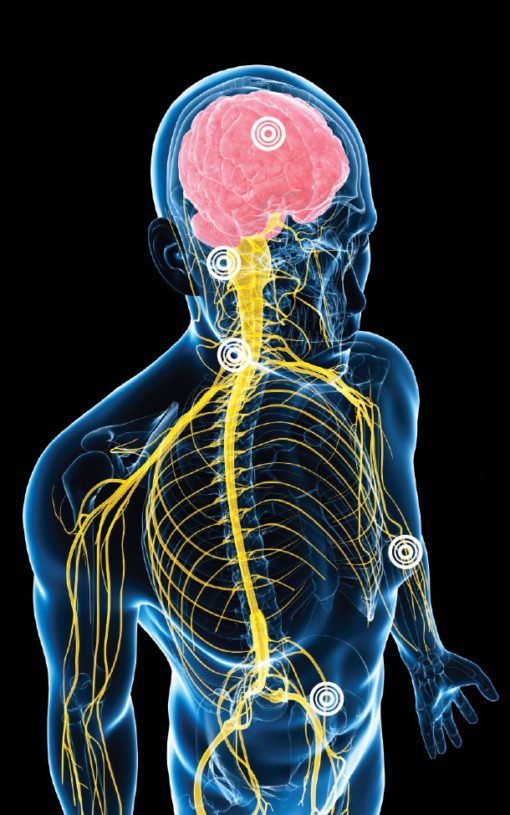
Nerve damage, or neuropathy, is another common complication associated with untreated type 2 diabetes. Elevated glucose levels can injure the nerves throughout the body, leading to tingling, pain, and even loss of sensation, particularly in the feet. In severe cases, this can result in foot ulcers or infections, sometimes necessitating amputations. A poignant example is a 60-year-old woman who, after years of unmanaged diabetes, developed a foot ulcer that escalated to a critical condition, requiring surgical intervention.
Kidney disease, or diabetic nephropathy, is frequently observed in individuals with long-standing type 2 diabetes. The kidneys can become damaged over time due to high blood sugar levels, leading to a decline in their ability to filter waste from the body effectively. Many patients may eventually require dialysis or kidney transplants, portraying the gravity of persistent poor management. Moreover, vision problems including diabetic retinopathy may arise as diabetes progresses, posing risks of blindness due to damage to the blood vessels in the retina.
Understanding these complications emphasizes the necessity of consistent management and monitoring for individuals with type 2 diabetes, thereby aiming to prevent severe health issues that could result from neglecting proper care.
Managing Type 2 Diabetes
Effective management of type 2 diabetes is crucial in controlling blood sugar levels and mitigating the risk of complications. A multifaceted approach typically incorporates lifestyle changes, regular monitoring, and, when necessary, medication. One of the foundational elements in managing this condition is adopting a balanced and nutritious diet. This includes focusing on whole foods, such as fruits, vegetables, whole grains, and lean proteins, while minimizing processed foods high in sugars and unhealthy fats. Portion control is equally important, as it helps prevent spikes in blood glucose levels.
In conjunction with dietary modifications, regular physical activity plays a significant role in managing type 2 diabetes. Engaging in exercise not only helps in weight management but also improves insulin sensitivity, allowing the body’s cells to utilize glucose more effectively. Aiming for at least 150 minutes of moderate-intensity aerobic activity each week, combined with strength-training sessions, can prove beneficial. Furthermore, incorporating daily routines that promote movement can enhance overall health outcomes.
Monitoring blood sugar levels is essential for those living with type 2 diabetes. Regular self-monitoring can help individuals be more aware of how their daily choices affect their blood glucose levels. Utilizing a blood glucose meter allows for timely adjustments in diet, activity, or medication as necessary. For individuals requiring additional support, healthcare providers may prescribe oral medications or insulin therapy to assist in controlling blood sugar levels. Each patient’s treatment plan should be personalized, taking into account their specific health needs and lifestyle factors.
In summary, managing type 2 diabetes involves a combination of healthy eating, consistent exercise, diligent monitoring of blood sugar levels, and medication when needed. By incorporating these strategies, individuals can effectively manage their condition and improve their overall well-being.
The Role of Diet in Diabetes Management
Nutrition plays a crucial role in managing Type 2 diabetes, influencing blood sugar levels and overall health. A well-balanced diet can help stabilize glucose levels, reduce the risk of complications, and promote a healthier lifestyle. Understanding the relationship between food and blood sugar is essential for individuals living with diabetes.
A key aspect of dietary management is focusing on carbohydrate quality and portion control. Carbohydrates have the most significant impact on blood glucose levels, so it is important to choose complex carbohydrates, such as whole grains, legumes, fruits, and vegetables, over simple sugars found in processed foods. Fiber-rich foods are particularly beneficial as they slow the absorption of sugar into the bloodstream, aiding in blood sugar control.
Incorporating lean protein sources, such as poultry, fish, eggs, and plant-based proteins, is also important. Protein can help maintain muscle mass and support satiety, which may assist in weight management—a critical factor for those with Type 2 diabetes. Healthy fats, such as those found in avocados, nuts, and olive oil, can enhance heart health and further support diabetes management.
Portion sizes should not be overlooked; adopting mindful eating practices can prevent overeating and help maintain an optimal weight. Individuals may benefit from using tools like measuring cups or food diaries to keep track of their food intake and portion sizes.
Finally, certain foods should be limited or avoided entirely. Foods high in added sugars, refined grains, and unhealthy fats can lead to spikes in blood glucose levels and should be consumed sparingly. Maintaining regular meal times can also be beneficial in regulating blood sugar fluctuations throughout the day.
Ultimately, adopting a well-rounded diet tailored to individual needs can significantly impact diabetes management, promote better health, and enhance the quality of life for those living with Type 2 diabetes.
Importance of Regular Physical Activity
Regular physical activity is integral to the management of type 2 diabetes. Engaging in consistent exercise has a profound impact on insulin sensitivity and blood sugar control, which are crucial for individuals dealing with this condition. The benefits of physical activity extend beyond mere weight management; they encompass various physiological improvements that collectively enhance overall health.
Different types of exercises, including aerobic activities, strength training, and flexibility exercises, offer unique advantages for individuals with type 2 diabetes. Aerobic activities, such as walking, jogging, or cycling, increase heart rate and improve cardiovascular health, while also promoting better glucose uptake by the muscles. Research indicates that even moderate-intensity aerobic exercise can lead to significant reductions in blood sugar levels and a lower risk of diabetes complications.
In addition to aerobic exercises, strength training is essential in managing type 2 diabetes. By incorporating resistance exercises into one’s routine, individuals can build muscle mass, which inherently improves insulin sensitivity. Enhanced muscle strength enables the body to utilize glucose more effectively, further stabilizing blood sugar levels. Furthermore, muscle tissue is metabolically active, meaning it continues to burn calories even while at rest, aiding in weight management effort.
Flexibility and balance exercises, including yoga and tai chi, contribute positively by enhancing overall physical function and reducing the risk of injury, which is particularly important for individuals who may have complications related to diabetes. These types of activities can also alleviate stress, which is known to affect glucose levels negatively.
Incorporating regular physical activity as part of a broader diabetes management plan can lead to improved weight management, decreased insulin resistance, and better overall health outcomes. It is essential for those living with type 2 diabetes to collaborate with healthcare providers to establish a tailored exercise regimen that aligns with their individual needs and capabilities.
The Importance of Early Diagnosis and Continuous Monitoring
Early diagnosis and continuous monitoring play a vital role in the management of type 2 diabetes. The impact of timely identification of this condition cannot be overstated; when detected early, it opens the door to effective lifestyle changes and medical interventions that can significantly improve the patient’s quality of life. Individuals diagnosed with type 2 diabetes often face various challenges, including the risk of developing serious complications such as cardiovascular disease, neuropathy, and kidney damage. By establishing an early diagnosis, healthcare professionals can initiate a comprehensive management plan that addresses not only blood sugar levels but also associated risk factors.
Regular check-ups are essential for patients living with type 2 diabetes. These visits allow healthcare providers to monitor glycemic control through comprehensive blood tests, such as hemoglobin A1c levels. This measure provides valuable insights into the patient’s average blood glucose levels over the preceding three months. Such assessments enable timely adjustments to treatment plans, thus averting potential complications. Furthermore, routine evaluations help identify any emerging health issues, allowing for early interventions that can curb disease progression.
Self-monitoring is another critical aspect of effective diabetes management. By regularly checking their blood glucose levels at home, patients can gain a clearer understanding of how their daily choices, such as diet and physical activity, impact their overall health. This knowledge empowers individuals to make informed decisions and promotes greater adherence to treatment plans. Moreover, documented records of self-monitored glucose readings facilitate productive discussions between patients and their healthcare providers, enhancing collaborative efforts to optimize care.
In conclusion, early diagnosis and continuous monitoring of type 2 diabetes are paramount in preventing complications and ensuring optimal health outcomes. Regular check-ups and self-monitoring are essential strategies that contribute to effective disease management and empower patients to take charge of their health.